Mott Haven Locksmith Bronx Service Team
Local locksmith team
Sep 25, 2026 12 min read
Your door lock is one of those things you never think about — until it starts giving you trouble at the worst possible moment. Maybe your key is suddenly harder to turn, or the deadbolt won't fully extend, or the knob feels loose in a way it didn't last month. For Bronx residents, from Mott Haven walk-ups to Pelham Bay single-families, a failing lock is more than an inconvenience — it's a real security gap in a borough where street-level access matters. The good news is that not every lock problem calls for a full replacement. Knowing the difference between a lock that needs a minor repair and one that has reached the end of its useful life can save you time, protect your home, and help you make a smarter call.
This guide walks you through the most common warning signs of a worn or damaged door lock, explains the repair-vs-replace decision in plain language, and covers the key lock types and scenarios Bronx homeowners actually deal with — including deadbolts, mortise door lock systems common in older prewar buildings, keypad locks, and sliding door locks. By the end, you will know exactly what to look for and when it makes sense to call a professional locksmith rather than push through with a lock that is quietly failing you.
## Warning Signs Your Bronx Door Lock Is Failing
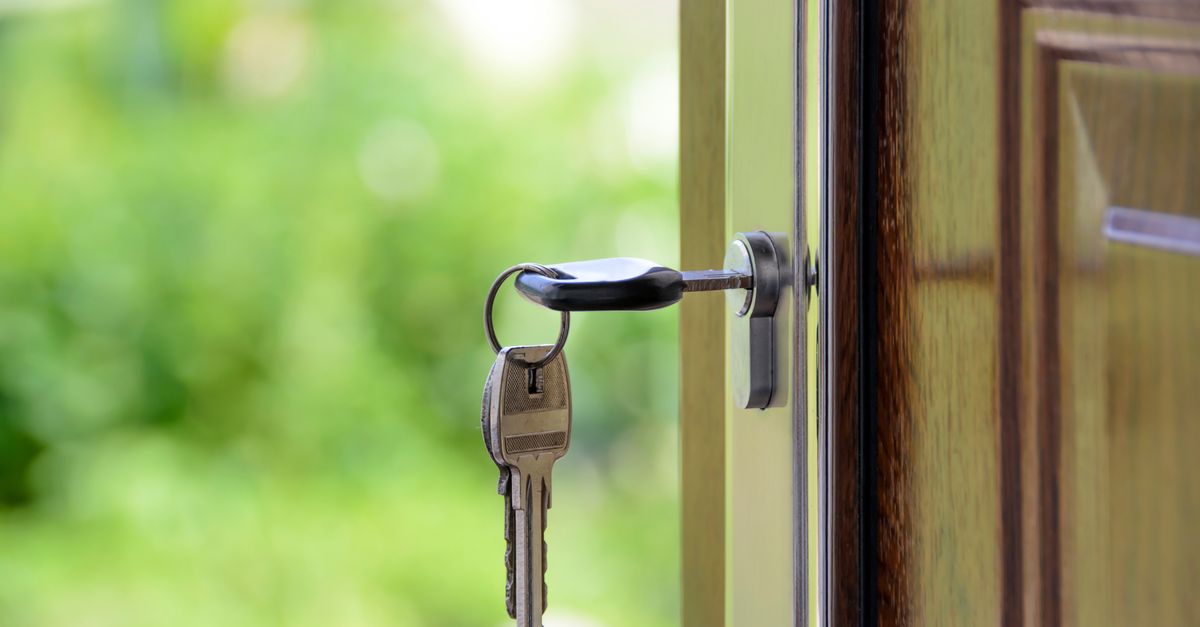
Locks deteriorate gradually, which means the warning signs are easy to dismiss until a small problem becomes a full lockout or, worse, a compromised entry point. The most telling sign is resistance: if you have to jiggle, lift, or lean on the door to get the key to turn, the lock cylinder or the door alignment is off. A deadbolt that stops short — one that does not throw all the way into the strike plate — is another red flag. Loose hardware, where the knob or lever wobbles noticeably when you grip it, usually means internal components have worn down or fasteners have worked loose over years of use.
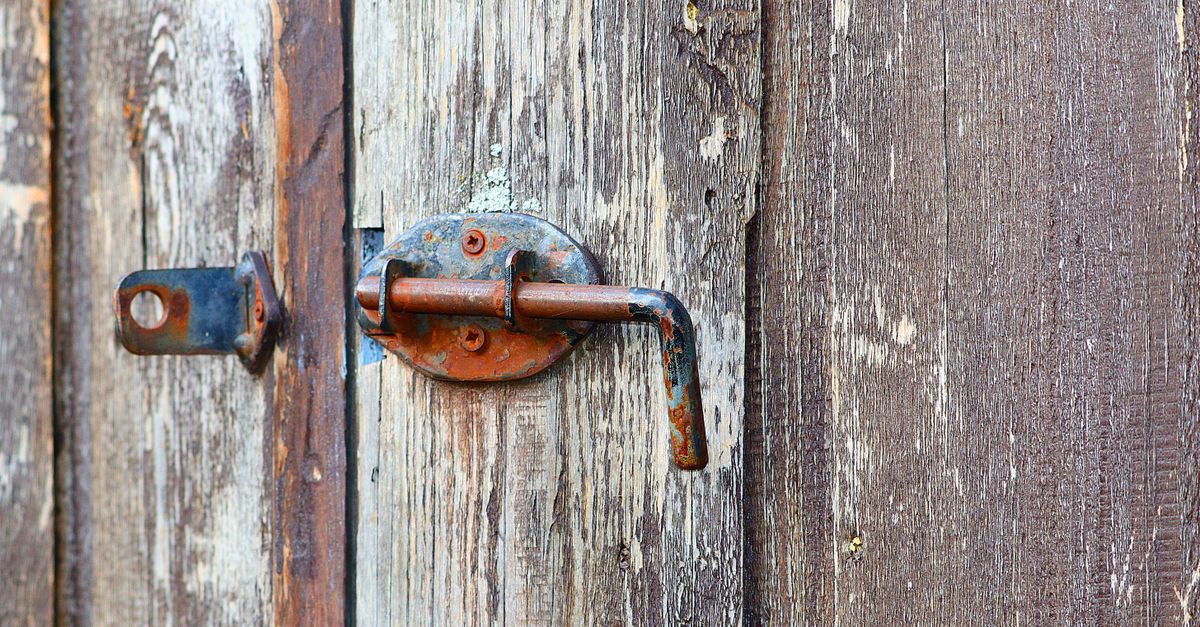
Rust and corrosion are especially common on Bronx exterior doors exposed to humid summers and salt-heavy winters near the waterfront along the Harlem River and East River corridors. Corroded tumblers inside the cylinder cause key-turning to feel gritty or stiff. You might also notice that your key copies work inconsistently — sometimes fine, sometimes not at all — which points to a worn cylinder that can no longer reliably read the key's cuts. Finally, if your building super or a previous tenant recently had a key and you never changed the lock after moving in, that alone is a security reason to act, even if the hardware functions perfectly.
## Repair or Replace? How to Diagnose a Failing Bronx Door Lock
The repair-or-replace question comes down to three factors: the extent of the damage, the age and quality of the existing hardware, and whether the lock's security level still meets your needs. A lock that is stiff but otherwise intact can often be resolved by a locksmith rekeying the cylinder, lubricating the mechanism with a dry graphite spray, or adjusting the strike plate alignment. A deadbolt that won't throw fully is frequently a door-frame issue — the door has shifted, and repositioning the strike plate solves it without touching the lock at all.
Replacement makes more sense when the cylinder is visibly cracked, when the lock has been forced or tampered with, when it is a low-grade builder-grade unit on an exterior door, or when you simply cannot account for who holds copies of the existing key. For older Bronx apartments built before 1960, a worn mortise door lock — the rectangular lock body that sits inside the door edge itself — is a common culprit. Mortise lock systems have many internal parts: springs, a cam, a bolt, and a latch, all of which can fail independently. A skilled locksmith can often service or rekey a mortise lock without replacing the entire unit, but a mortise lock with a cracked body or a stripped cam needs full replacement. The key question to ask yourself: would I feel confident locking up and going to sleep tonight? If the answer is no, that is your answer.
## Sliding Door Lock Replacement, Keypad Codes, and Other Common Bronx Scenarios
Not all door lock problems involve a standard keyed deadbolt. Bronx homes and apartments deal with a range of hardware types, each with its own failure patterns. Sliding door lock replacement is one of the most frequently overlooked needs — sliding glass or patio doors use a latch-and-hook mechanism that wears out faster than a deadbolt because it is under constant lateral stress every time the door is opened and closed. When the latch no longer catches firmly or the hook no longer seats into the keeper, the door can be lifted off its track or pushed open with minimal force. If you are noticing play in your sliding door lock, do not wait — sliding door lock replacement is a straightforward job for a professional locksmith and dramatically improves the security of what is often the weakest point in a ground-floor or garden-level unit.
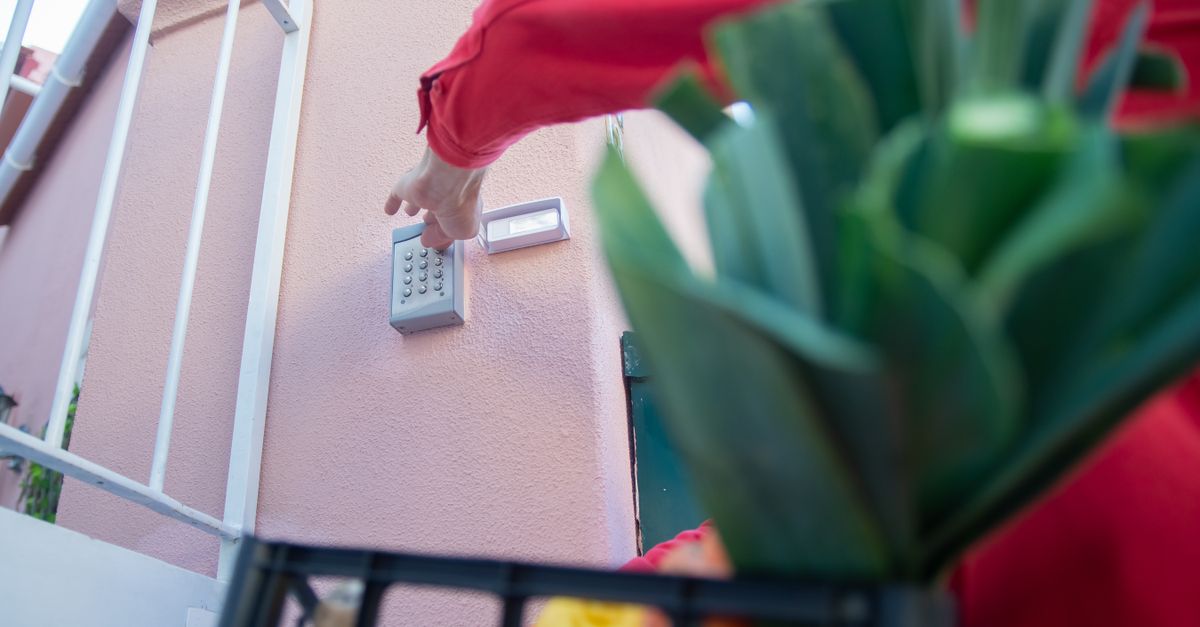
Keypad and electronic locks present a different set of scenarios. A keypad that is slow to respond, requires multiple presses, or throws error codes may just need a battery swap — always check that first. But if the keypad is physically cracked, if the motor that drives the bolt is grinding, or if you have moved into a new place and need to change the code, you have options short of full replacement. Most keypad deadbolts allow you to change the code on a keypad door lock from the programming menu using the current master code. The exact steps vary by brand — Schlage and Kwikset both publish their programming sequences — but the general process involves entering the programming code, pressing a function button, and entering your new user code twice to confirm. If you have lost the master code or the lock is locked out from too many failed attempts, a locksmith can often reset or replace just the electronic module rather than the full lock body. When in doubt about how to change code on door lock models that have been factory-reset or are showing persistent errors, call a locksmith — an experienced technician can identify whether it is a software issue, a dead motor, or a wiring fault in under a few minutes.
## How to Change a Door Lock Yourself — And When to Stop
For straightforward knob-and-deadbolt combos on standard interior prep doors, a confident DIYer can handle how to change a door lock with a screwdriver, a new lock set, and about thirty minutes. Remove the old knob or lever by unscrewing the two mounting screws on the interior rose plate, pull both sides apart, then unscrew the latch assembly from the door edge. Fit the new latch, feed the exterior and interior halves of the new lock through the latch, align the mounting holes, and tighten the screws. Test the latch and deadbolt several times before closing the door. That is genuinely the whole process for most modern cylindrical lock sets — and door lock installation on a pre-drilled standard door is beginner-friendly as long as you buy a lock set that matches your existing bore hole size, typically 2-1/8 inches in diameter.
Here is where to stop and call a professional: if the door is metal (common in Bronx apartment buildings), if you are dealing with a mortise door lock that requires chiseling or fitting into a pocket inside the door edge, if the door frame is damaged or the jamb is split, or if you are installing a high-security lock like a Medeco or Mul-T-Lock that requires precise tolerancing. Improper installation of a deadbolt — even a quality one — can leave the bolt misaligned with the strike plate, which either prevents the lock from operating fully or allows it to be bypassed with simple pressure. A trained locksmith does not just swap hardware; they verify door prep, check frame integrity, and test throw depth to make sure the installation is mechanically sound. If you are on the fence, a quick call to our team at 718-679-9884 can help you figure out whether this is a solid DIY job or something that needs a professional set of hands.
## What Determines the Cost — and What to Expect From a Professional Locksmith Visit
One of the most common questions we hear is what a lock repair or replacement will cost. The honest answer is that price depends on several real factors: the type of lock involved (a basic cylindrical deadbolt, a high-security mortise door lock, a smart lock, or a sliding door lock replacement each carry different parts costs), whether the work happens during standard hours or as an after-hours emergency call, travel distance to your location in the Bronx, and the condition of your existing door prep. A damaged frame that needs reinforcement before a new lock can be properly seated, for example, adds both time and materials to the job. At Mott Haven Locksmith Bronx, we confirm an exact up-front price before any work begins — no surprises on the invoice after the job is done.
What you should expect from any professional locksmith visit: the technician should ask to verify that you are the resident or owner of record before beginning work, should assess the door and hardware before quoting, and should walk you through what they found and what they recommend. If a locksmith skips that conversation and goes straight to the most expensive option without explaining why, that is a red flag. Our team takes the time to explain whether a rekey, a repair, or a full change door lock procedure is actually warranted — and we carry a range of hardware grades so you are not pushed toward a product tier that does not match your needs. We serve all Bronx neighborhoods, from the Grand Concourse corridor to Co-op City, and we are on call around the clock because lock problems do not follow a nine-to-five schedule. Call 718-679-9884 any time — we answer 24/7 and can typically reach most Bronx addresses quickly.
## 25 Lock and Door Security Services We Provide in The Bronx
Our mobile locksmith team handles the full range of residential and light commercial lock needs across The Bronx. Here is a specific look at what we cover: deadbolt installation on wood and metal doors, mortise door lock repair and full mortise lock replacement, cylindrical lock set replacement, sliding door lock replacement for patio and balcony doors, door lock installation on new construction and renovation projects, rekeying existing locks so old keys no longer work, master key system setup for multi-unit buildings, smart lock and keypad deadbolt installation and programming, keypad code reset and reprogramming when access codes are lost, lockout response for apartment and house doors, lock cylinder extraction after a broken or snapped key, high-security lock upgrades including Medeco and Mul-T-Lock brands, strike plate reinforcement and door frame repair, door viewer (peephole) installation and replacement, security chain and door bar installation, window lock installation and repair, door closer installation for building common areas, access control hardware for small commercial spaces, padlock removal and hasp replacement on storage units and gates, safe opening and combination changes for residential safes, mail slot lock replacement, garage side door lock replacement, barn door and sliding barn door lock installation, gate lock and padlocked fence hardware service, and emergency re-securing of doors after a forced-entry incident including temporary security measures while permanent hardware is sourced.
Frequently asked questions
How do I know if I need a full door lock replacement or just a rekey?+
A rekey is the right move when the lock mechanism is in good working order but you want to invalidate existing keys — after moving into a new Bronx apartment, for example, or after losing a key. Replacement makes more sense when the cylinder or lock body is physically damaged, corroded, or worn to the point where it no longer operates reliably, or when you want to upgrade to a higher-security grade of hardware. A quick inspection by a trained locksmith can tell you definitively which situation you are in — call us at 718-679-9884 and we can often assess over the phone based on what you describe.
Can a locksmith change the code on my keypad door lock without replacing it?+
In most cases, yes. If you know the current programming or master code, a locksmith can walk you through or directly perform the reprogramming to set a new user code. If the master code is lost or the lock is in a locked-out state from too many failed attempts, a skilled locksmith can typically perform a factory reset of the electronic module — restoring access without needing to swap out the full lock body. The only scenario that usually requires hardware replacement is a physically damaged keypad, a dead motor, or a lock that is so outdated that reset procedures are no longer supported.
What is a mortise door lock and do I need one on my Bronx apartment door?+
A mortise door lock is a lock body that is recessed into a pocket cut into the edge of the door itself, rather than mounted through a hole bored through the door face. They are extremely common in prewar Bronx apartment buildings and are generally considered more robust than cylindrical locks because the deeper installation makes the lock harder to kick or pry. Whether you need one depends on your door type — mortise locks require a specific door thickness and an existing or newly cut mortise pocket. If your building already has mortise hardware and it is failing, repairing or replacing with a matching mortise unit is the correct approach. Our team carries mortise lock parts and full replacement units and can service them on the same visit.
What factors affect the price of a door lock repair or replacement in The Bronx?+
Several variables shape the final quote: the type of lock involved (standard deadbolt, mortise lock, smart lock, sliding door lock), whether parts need to be sourced or are available on the service vehicle, the time of day the work is requested (after-hours emergency calls have different labor considerations than daytime scheduled visits), and the condition of the door and frame — a damaged jamb or non-standard door prep can add to the scope of work. At Mott Haven Locksmith Bronx, we provide a confirmed up-front price before any work begins, so you know exactly what you are agreeing to. There are no after-the-fact add-ons.